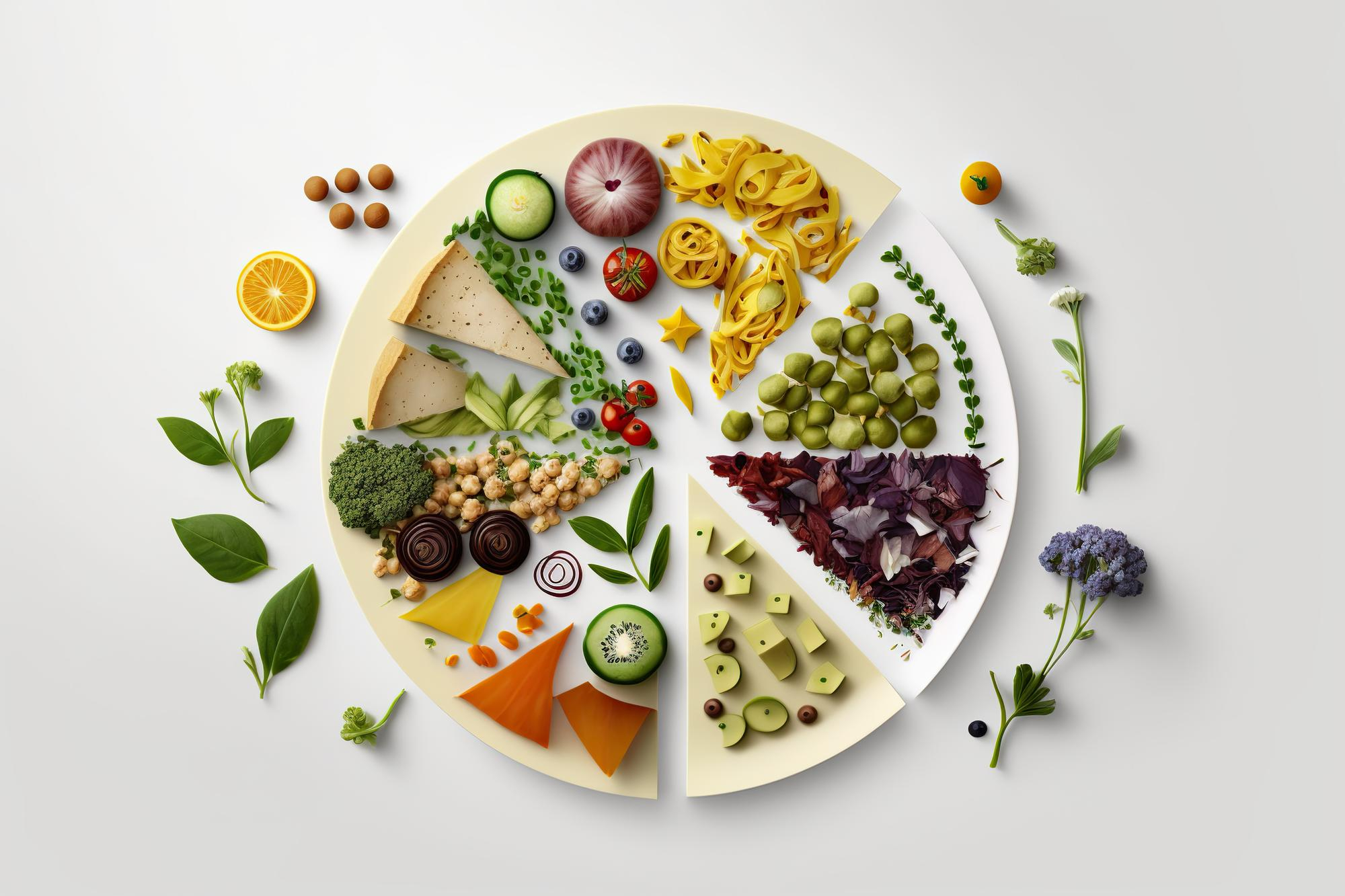
Vegetarian and Vegan Nutrition: A Comprehensive Guide
Adopting a vegetarian or vegan diet is a powerful choice for improving health, supporting animal welfare, and reducing environmental impact. However, ensuring you get all the necessary nutrients from a plant-based diet requires thoughtful planning and knowledge. Whether you’re a lifelong vegetarian, a new vegan, or simply exploring plant-based options, understanding the key components of vegetarian and vegan nutrition is essential for maintaining a balanced and healthy diet. In today’s post, we’ll explore the fundamentals of vegetarian and vegan nutrition and how to make sure your diet meets all your nutritional needs.
1. Understanding Vegetarian and Vegan Diets
Before diving into nutrition specifics, it’s important to understand the differences between vegetarian and vegan diets:
- Vegetarian Diets: Vegetarians avoid meat, poultry, and fish but may include other animal products like dairy and eggs, depending on the type of vegetarianism. There are several variations, including lacto-vegetarians (who eat dairy but not eggs), ovo-vegetarians (who eat eggs but not dairy), and lacto-ovo vegetarians (who eat both dairy and eggs).
- Vegan Diets: Vegans avoid all animal products, including meat, poultry, fish, dairy, eggs, and honey. A vegan diet is entirely plant-based, relying on fruits, vegetables, grains, legumes, nuts, and seeds.
Both diets can provide all the essential nutrients your body needs if they are well-planned and balanced. Let’s explore the key nutrients to focus on and how to ensure you’re getting enough of each.
2. Key Nutrients for Vegetarians and Vegans
While plant-based diets are rich in many nutrients, there are certain nutrients that vegetarians and vegans need to pay special attention to:
- Protein: Protein is essential for muscle repair, immune function, and overall health. While many people worry about getting enough protein on a plant-based diet, there are plenty of protein-rich plant foods available. Good sources of plant-based protein include lentils, chickpeas, tofu, tempeh, quinoa, nuts, seeds, and whole grains. Combining different plant proteins throughout the day can help provide all the essential amino acids your body needs.
- Vitamin B12: Vitamin B12 is crucial for nerve function and red blood cell production, but it is primarily found in animal products. Vegans, and some vegetarians, need to find alternative sources, such as fortified plant-based milks, breakfast cereals, nutritional yeast, or supplements. Regular B12 supplementation is often recommended for those on a vegan diet.
- Iron: Iron is important for carrying oxygen in the blood and supporting energy levels. While plant-based sources of iron (non-heme iron) are less easily absorbed than animal-based sources (heme iron), you can enhance absorption by consuming vitamin C-rich foods (like citrus fruits, bell peppers, and strawberries) with iron-rich foods (like lentils, beans, tofu, and spinach).
- Calcium: Calcium is essential for bone health. While dairy is a well-known source of calcium, there are plenty of plant-based sources, including fortified plant-based milks (like almond, soy, or oat milk), tofu, tahini, almonds, and dark leafy greens such as kale, bok choy, and broccoli. Ensure you include a variety of calcium-rich foods in your diet to meet your daily requirements.
- Omega-3 Fatty Acids: Omega-3 fatty acids are important for heart and brain health. While the most well-known sources are fish, vegetarians and vegans can obtain omega-3s from flaxseeds, chia seeds, hemp seeds, walnuts, and algae-based supplements. These plant-based sources provide ALA (alpha-linolenic acid), which the body can convert to the beneficial DHA and EPA, though the conversion rate is relatively low.
- Vitamin D: Vitamin D is important for bone health and immune function. It is often called the “sunshine vitamin” because the body can produce it when the skin is exposed to sunlight. However, those living in areas with limited sun exposure or those who wear sunscreen regularly may need to obtain vitamin D from fortified foods (like plant-based milks and cereals) or supplements.
- Zinc: Zinc supports the immune system and is involved in numerous cellular functions. Plant-based sources of zinc include beans, lentils, chickpeas, seeds (pumpkin, sesame), nuts, whole grains, and fortified cereals. Since the bioavailability of zinc from plant foods is lower, consuming a variety of zinc-rich foods is important to meet your needs.
3. Building a Balanced Vegetarian or Vegan Plate
Creating balanced meals on a vegetarian or vegan diet is key to ensuring you get all the nutrients your body needs. Here are some tips for building a nutritious plant-based plate:
- Include a Variety of Foods: Ensure each meal includes a mix of fruits, vegetables, whole grains, and protein-rich foods. A diverse diet helps provide a wide range of nutrients and supports overall health.
- Combine Protein Sources: While many plant foods contain protein, some are incomplete proteins (lacking one or more essential amino acids). Combining different protein sources, such as beans and rice or hummus with whole grain pita, ensures you get all the essential amino acids.
- Incorporate Healthy Fats: Healthy fats, such as those found in avocados, nuts, seeds, and olive oil, are essential for nutrient absorption and overall health. Include a source of healthy fat with each meal for a balanced diet.
- Don’t Forget Fiber: Plant-based diets are naturally high in fiber, which supports digestive health, helps manage blood sugar levels, and promotes a feeling of fullness. Include plenty of fiber-rich foods like fruits, vegetables, legumes, and whole grains.
4. Supplements and Fortified Foods
While a well-planned vegetarian or vegan diet can provide most of the nutrients your body needs, certain supplements or fortified foods may be necessary to fill nutritional gaps:
- Vitamin B12: As mentioned, B12 is not naturally found in plant foods, so a B12 supplement or fortified foods are essential for vegans and some vegetarians.
- Vitamin D: Depending on your sun exposure, you might need to consider a vitamin D supplement, especially during the winter months or if you live in a northern climate.
- Omega-3s: If you’re not getting enough omega-3s from plant-based sources, consider an algae-based DHA and EPA supplement.
- Iron and Zinc: Most people can meet their needs through diet, but some may benefit from a supplement if dietary intake is inadequate or if they have increased needs (such as during pregnancy).
5. Tips for Transitioning to a Vegetarian or Vegan Diet
Transitioning to a vegetarian or vegan diet can be smooth and enjoyable with the right approach:
- Start Slowly: Gradually reduce your intake of animal products and replace them with plant-based alternatives. Start by incorporating more plant-based meals into your routine, such as Meatless Mondays.
- Experiment with New Recipes: Explore different cuisines and recipes that highlight plant-based foods. Trying new dishes can keep your meals exciting and flavorful.
- Stay Educated: Read labels carefully to identify hidden animal products and stay informed about the nutritional content of the foods you’re consuming.
- Find Support: Join online communities, social media groups, or local meetups to connect with others on a similar journey. Sharing experiences and tips can make the transition easier and more enjoyable.
Conclusion
A vegetarian or vegan diet can provide all the nutrients your body needs for optimal health if it’s well-planned and balanced. By focusing on key nutrients, building a diverse and nutritious plate, and considering supplements where necessary, you can enjoy a healthy and fulfilling plant-based lifestyle. Remember, the goal is to enjoy the journey, discover new foods, and nourish your body with a variety of wholesome, plant-based ingredients.
Embrace plant-based nutrition and enjoy the benefits of a healthier, more sustainable way of eating!